
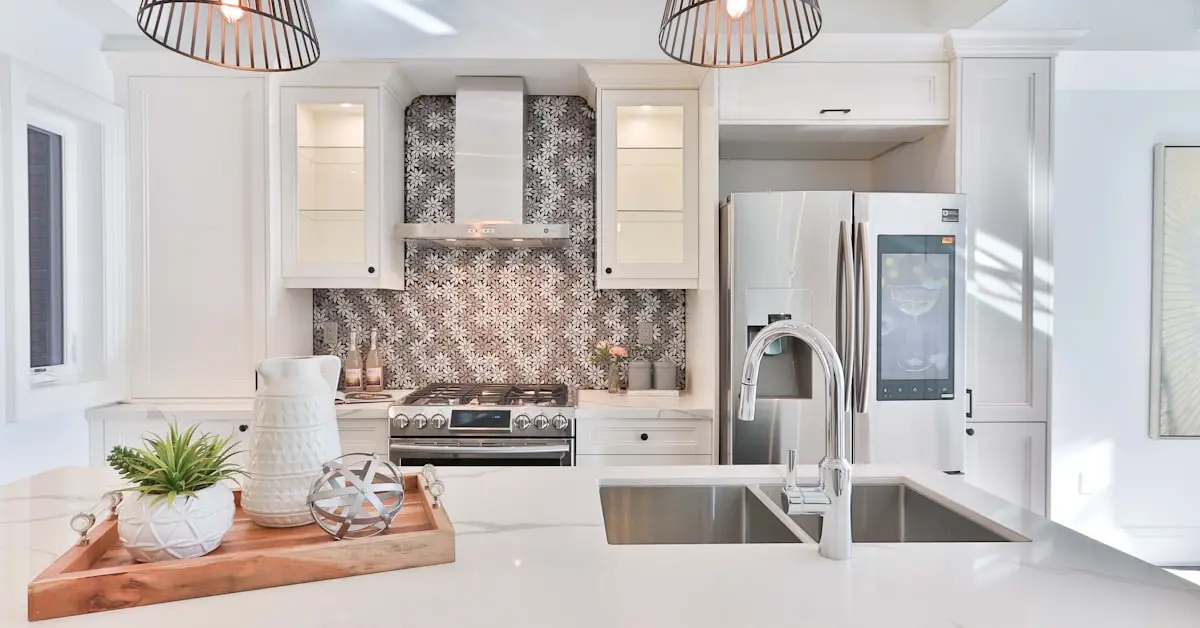
Why “it’s brand new” is not the same as “it’s defect-free” — and what a new construction inspection actually finds.
This is one of the most common — and most costly — assumptions in home buying:
“It’s brand new. It passed the county inspections. I don’t need an independent inspection.”
It’s understandable. It’s also wrong surprisingly often.
New construction homes fail independent inspections at a rate that consistently surprises first-time buyers and even experienced agents. Not because builders are negligent (most aren’t), but because residential construction is complex, involves dozens of subcontractors, proceeds under time and cost pressure, and is overseen by municipal inspectors who evaluate code compliance — not the kind of thorough, client-focused evaluation that a private home inspector provides.
There are things code inspections catch. And there are things they don’t. A professional home inspection finds both.
What Does a County/Municipality Inspector Actually Check?
Municipal building inspectors perform code compliance inspections at defined phases of construction — foundation, framing, rough mechanical, and final. These inspections verify that the home meets minimum building code standards: the floor is level, the electrical panel is properly labeled, the fire blocking is in place.
They are not looking for:
- Workmanship quality beyond minimum acceptable standard
- Installation errors that don’t violate code but will cause problems
- HVAC sizing relative to the home’s actual load (a critically common issue)
- Grading and drainage around the foundation
- Cosmetic and functional deficiencies throughout the home
- Items that were compliant at rough inspection but were damaged or altered during finish work
Municipal inspectors also cover multiple job sites per day and typically spend far less time at each property than a private inspector.
What Do New Construction Inspections Commonly Find?
This list isn’t meant to alarm anyone. It’s documentation drawn from what professional home inspectors consistently encounter in new homes:
HVAC issues — Improperly sized systems, disconnected ductwork in attics or crawlspaces, return air deficiencies, and missing insulation around ducts are among the most frequent findings. An HVAC system that’s slightly undersized or improperly configured will work — until it doesn’t, and until your utility bills tell the story.
Attic ventilation and insulation — Blown-in insulation covers the ceiling, so the attic is rarely examined closely before purchase. Missing or blocked soffit vents, insufficient ridge ventilation, and improperly placed insulation that blocks airflow are common findings with long-term moisture implications.
Grading and drainage — The ground around the foundation should slope away from the house to direct water away from the structure. In new construction, final grading is often rushed or incomplete, creating conditions where water pools against the foundation — exactly what it shouldn’t do.
Plumbing rough-in errors — Toilet flanges set too low, missing cleanouts, slow drains due to inadequate venting, and water heater installation errors show up with regularity even in new builds.
Windows and doors — Improper installation, missing weatherstripping, failed seals in insulated glass units, and inadequate flashing around frames are persistent new construction findings.
Stucco, siding, and exterior flashing — Improper flashing at windows, doors, and penetrations is one of the most consequential new construction deficiencies, as it creates pathways for water intrusion that won’t become visible for years.
Phase Inspections: The Most Powerful Option for New Construction Buyers
If you’re purchasing a home that hasn’t been built yet, or is still under construction, you have an option that buyers of finished homes don’t: phase inspections.
Phase inspections allow an independent inspector to evaluate the home at key stages of construction — before walls are closed, before concrete is poured, before systems are covered. This is the only time many structural and mechanical elements can be evaluated without destructive investigation.
Common phase inspection points:
- Pre-pour / foundation: Evaluate footings, rebar placement, soil conditions
- Pre-drywall / framing stage: Review structural framing, rough mechanical (electrical, plumbing, HVAC), insulation blocking, fire stops, and sheathing
- Pre-closing / final: Complete evaluation of all systems and finishes, just as with a standard resale inspection
Phase inspections require planning and coordination with the builder, but they’re generally permitted and are increasingly requested by informed buyers. The pre-drywall inspection in particular is one of the most valuable investments a new construction buyer can make — because it’s the only chance to see what’s inside the walls before you own them.
Builder Warranties: Understand What’s Covered
Most new construction homes come with a builder warranty that covers workmanship for one year, mechanical systems for two years, and structural defects for ten years (coverage varies by builder and state). These warranties are valuable — but they’re not self-activating.
Defects need to be documented and reported. Buyers who get an independent inspection within the first 11 months of ownership (before the one-year workmanship warranty expires) consistently identify items they would have missed otherwise — and submit warranty claims while the coverage is still active.
At Focused Property Inspections, we perform 11-month warranty inspections specifically for this purpose.
For Agents: New Construction Buyers Need You to Say It Plainly
Buyers purchasing new construction often feel like they’re fully protected — by the builder, by the county, by the warranty. Your job is to help them understand that none of those protections is a substitute for an independent evaluation.
Frame it this way: “Even the best builders have multiple crews working under time pressure. An independent inspector is your quality check before you close.”
Most builders welcome independent inspections. Some don’t. Either way, your client’s right to inspect is non-negotiable.
Brand New Deserves a Better Look.
Focused Property Inspections performs new construction inspections and phase inspections throughout North Carolina and New England. We know what to look for because we’ve seen it — over and over, in new homes of every price range and builder.
Schedule your new construction or phase inspection today:
📞 833-FPI-INSP (833-374-4677) | fpi-web.com
Focused Property Inspections — Veteran-Owned. Client-Focused. Detail-Driven.