
In September, 197 recorded transactions in Wake County landed in the $1 million to $30 million range, worth $543.1 million combined. That figure comes from the Wake County Register of Deeds report issued October 6, which counted 5,969 recorded transactions in all, 222 fewer than August. Not every one of the 197 is a house. The tier also holds land and commercial deals. But some are the custom and high-end homes in Raleigh, Cary, Apex, Wake Forest and Durham, and if you are about to buy one, you have a short due diligence window and a decision to make about who walks through it.
What that number does and does not tell you
It tells you high-value deals are still closing every week. It does not tell you the houses are in good shape. Price says nothing about the flashing, the crawlspace, or the second water heater nobody has run since it was installed.
Why a bigger house is a different inspection
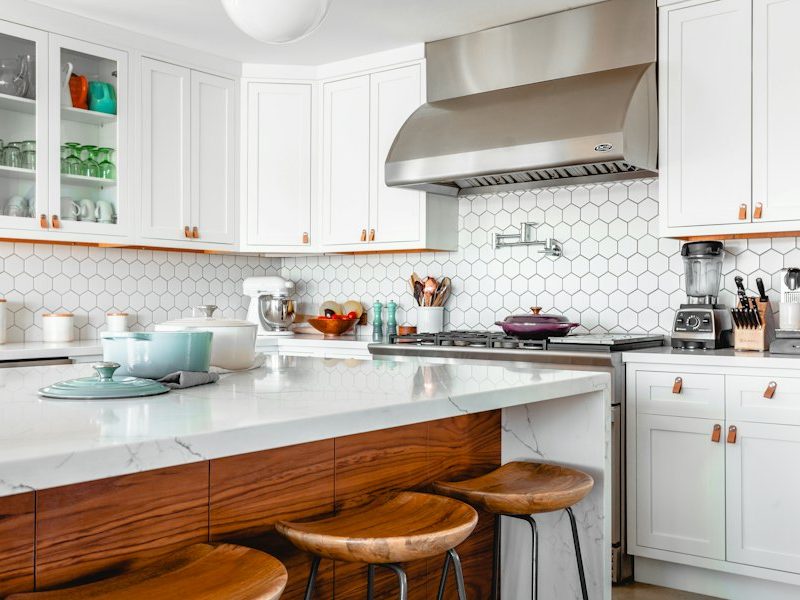
A $1 million house is usually a bigger machine. Zoned HVAC with more than one air handler. Two water heaters. A chef’s kitchen with a pro-grade range on its own gas line. Porches, a detached garage, maybe a pool and a pool house.
That is why we plan a custom or luxury home differently. Expect three to four hours on site, longer with a pool, a sewer scope or radon on the same visit. If a house this size is booked for ninety minutes, something is being skipped.
What the state requires, and where it stops
North Carolina licenses home inspectors through the Home Inspector Licensure Board, and the board’s rules set a floor. Under the structural standard, 11 NCAC 08 .1106, an inspector has to probe components where deterioration is suspected, enter crawl spaces, basements and attics unless access is obstructed or entry would cause damage or is dangerous, and report signs of abnormal or harmful water penetration and condensation. The Office of the State Fire Marshal publishes the current rule text, which includes amendments effective June 1, 2026.
That floor is the same for a starter home and a 6,000 square foot custom build. What you get above it depends on the inspector’s time, habits and training.
What we actually do on a high-end home
An encapsulated crawlspace is the clearest example. The question is not whether it is encapsulated. It is whether the vapor barrier seams are sealed, whether the barrier is fastened to the walls, where the dehumidifier drains, and whether the insulation above is dry. A photo taken from the hatch answers none of that. We go in.
On zoned HVAC, we run every zone and confirm each thermostat calls the unit it is supposed to. With two water heaters, both get run. On the roof, we look at roof-to-wall transitions and kick-out flashing, the small bent piece of metal where a roof edge meets a sidewall. When it is missing, water runs behind the siding, and it usually does not show for a couple of years. Those are the details that get finished fast at the end of a build. On the lot, we look at grading, because ground that slopes toward the house is cheap to fix before closing and expensive after.
Pools, spas and detached garages are part of the job. See our pool and spa inspection page for what that covers. Radon is a test, not a guess. FPI places the sensor, recovers it and reports the result. The EPA says to fix your home at 4 pCi/L and above and to consider fixing between 2 and 4 pCi/L, and details on how we test are on our radon testing page. A sewer scope belongs on any older lot with mature trees, and on plenty of newer ones.
What a Certified Master Inspector adds
Matt Geren, our Raleigh and Triangle inspector, is a Certified Master Inspector. The Master Inspector Certification Board awards the designation, and its site says every CMI has completed at least 1,000 fee-paid inspections and/or hours of training and education combined, has been in the inspection business for at least three years, abides by a code of ethics, and has agreed to periodic criminal background checks. You can verify any inspector yourself at certifiedmasterinspector.org.
That is a documented track record checked by an independent board. It is not a guarantee that any house is sound, and it does not replace you reading the report. Our Certified Master Inspector page and Matt’s profile lay out his standing and service area.
What you can do yourself
Ask three questions before you book anyone on a house this size. How long will you be on site? Will you enter the crawlspace and the attic, or photograph them from the access point? What will I get, and when? Our reports go out the same day, with photos, written so you can hand them to your agent and your contractor. More on that on our same-day report page.
Come for the last hour of the inspection. Walk the house with the inspector, have them show you what they found and where, and ask what matters now and what can wait.
Not every house needs a four-hour visit. A well-kept, newer house in a subdivision can be inspected in less, and a clean report is a good result, not a wasted fee. Custom and high-end homes are where the extra hours earn their keep.
Book before the clock starts
If you are buying in Raleigh or the Triangle, book your inspector before the due diligence period starts running. FPI inspects across Raleigh and the Triangle in one visit: home, radon, sewer scope, WDI, and pool and spa where the house has them. Call 984-444-2099 or book online at fpi-web.com.